
How Design Trends Shape Engaging Digital Experiences in 2024
The landscape of digital design is constantly evolving, driven by technological advancements, cultural shifts, and changing consumer expectations. In 2024, a blend of bold visuals, immersive interactions, and personalized experiences define what makes digital platforms engaging and memorable. As industries compete for user attention, understanding current trends and their underlying principles becomes essential for creators aiming to craft compelling digital environments.
Design is no longer just about aesthetics; it plays a critical role in user retention, satisfaction, and overall engagement. Trends influence industry standards, shaping how brands connect with audiences across devices and contexts. The evolution of digital design thus mirrors broader societal shifts, emphasizing accessibility, interactivity, and emotional resonance.
To navigate this dynamic environment, it’s vital to understand both the foundational principles of effective digital design and the innovative trends that are shaping user experiences today and into the future.
Table of Contents
- The Foundations of Engaging Digital Experiences
- Major Design Trends in 2024 That Drive Engagement
- The Impact of Technological Innovations on Design Trends
- Case Study: Le Zeus — A Modern Illustration of Trend-Driven Design
- Non-Obvious Factors Shaping Digital Design
- Challenges and Ethical Considerations in Trend-Driven Design
- Future Outlook: Designing for 2025 and Beyond
- Conclusion: The Synergy of Trends, Technology, and Creativity
The Foundations of Engaging Digital Experiences
Effective digital design rests on core principles such as usability, aesthetics, and accessibility. Usability ensures that users can navigate seamlessly, finding what they need without frustration. Aesthetics, on the other hand, evoke emotional responses and reinforce brand identity, making interfaces visually appealing and memorable. Accessibility guarantees that digital experiences are inclusive, accommodating users with diverse abilities, which is increasingly recognized as a standard rather than an exception.
Recent technological advancements have expanded design possibilities, enabling richer interactions and more personalized experiences. For example, the rise of AI-driven customization allows interfaces to adapt dynamically to user preferences, enhancing engagement. Moreover, the shift from static pages to dynamic, interactive content has transformed user expectations, encouraging platforms to incorporate features like microinteractions and real-time feedback.
From Static to Dynamic Content
Static websites have given way to vibrant, interactive environments that respond to user actions. This evolution is exemplified in gaming, where responsive interfaces and real-time animations create immersive worlds. For instance, modern slot games incorporate engaging animations and microinteractions that keep players invested, illustrating how dynamic content enhances engagement.
Major Design Trends in 2024 That Drive Engagement
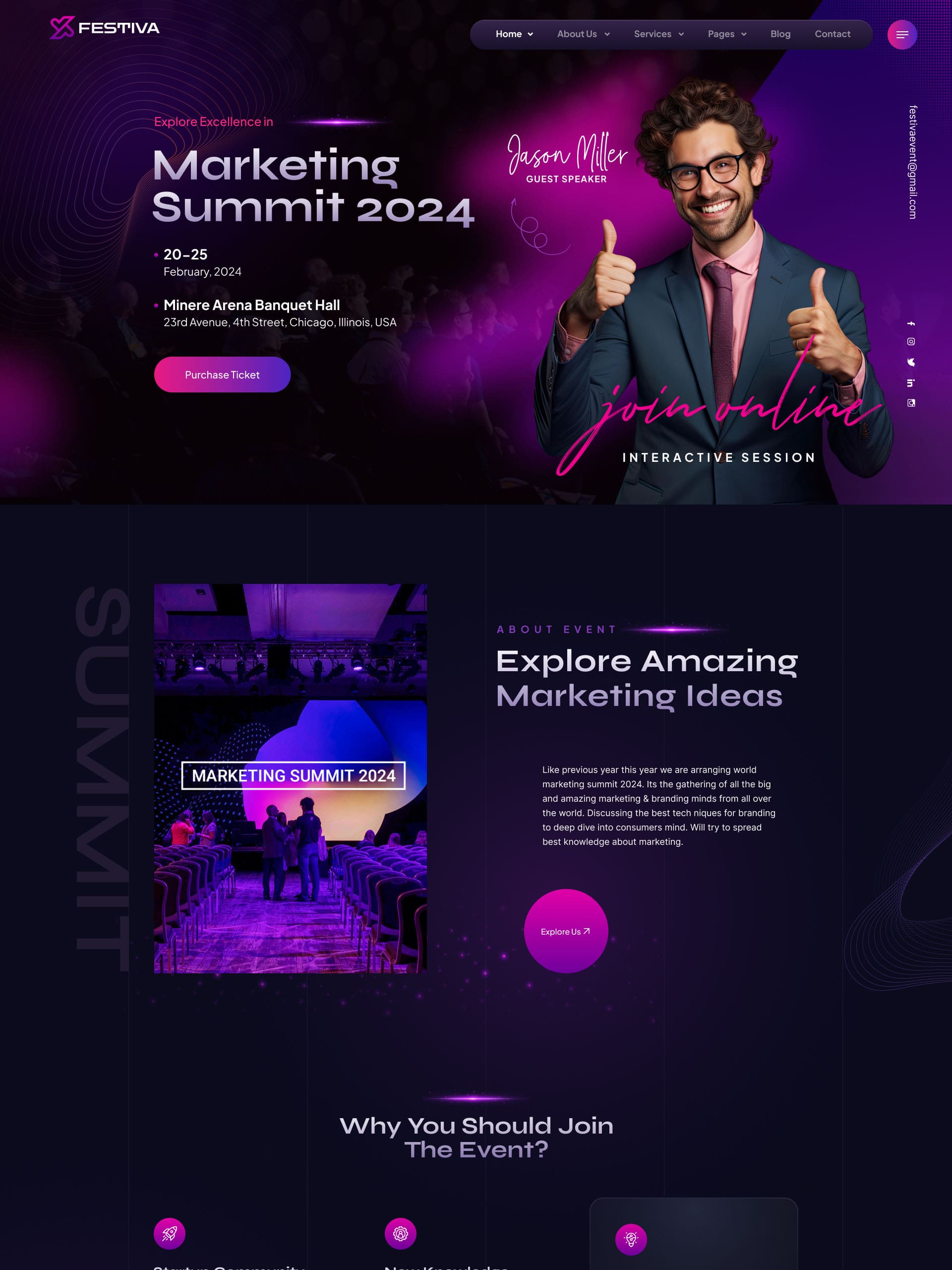
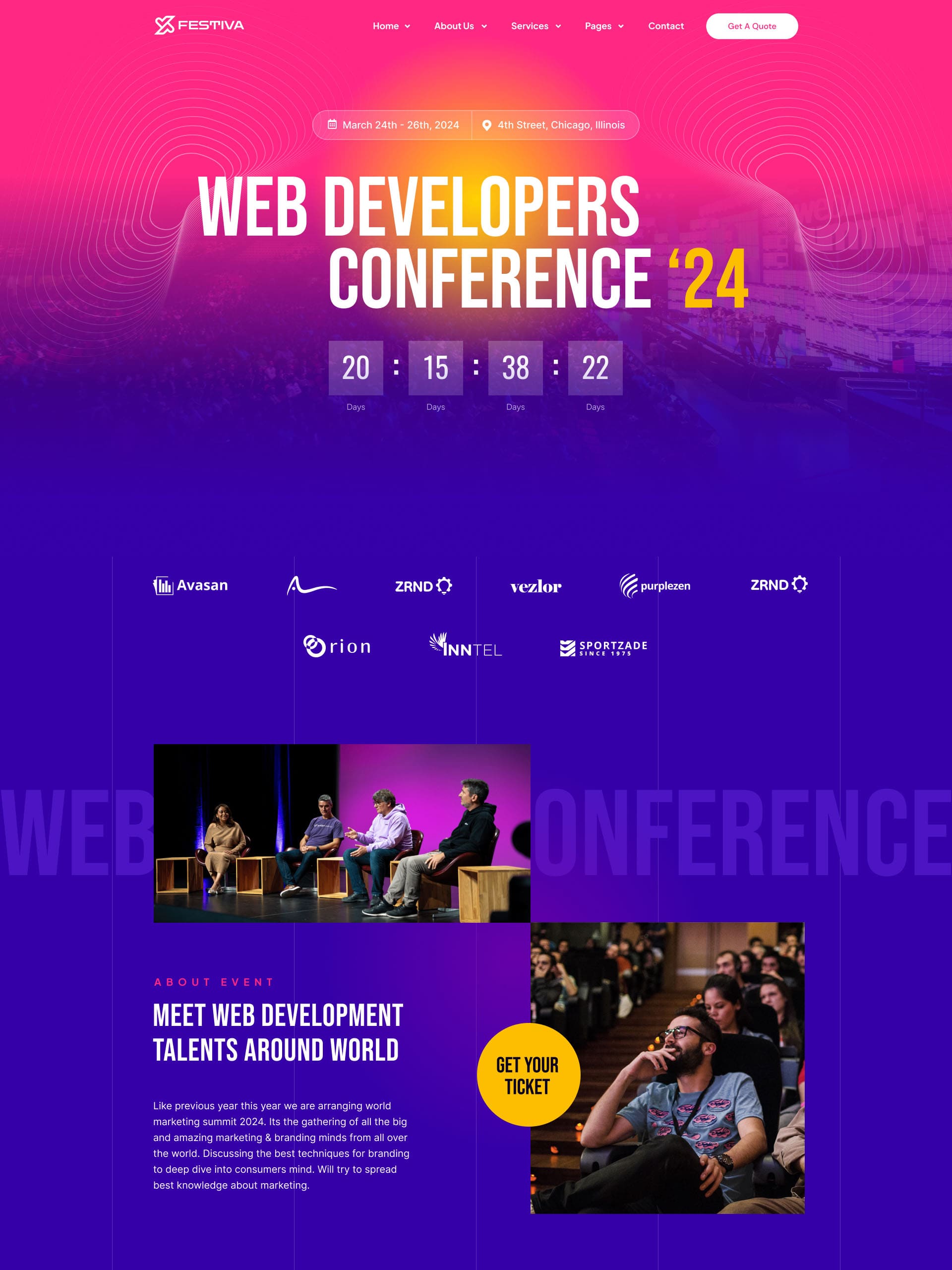
The Resurgence of Bold Color Palettes, with a Focus on Pink
Color psychology continues to influence digital design, with bold palettes capturing attention and evoking specific emotions. In 2024, pink hues have re-emerged as a trending color, symbolizing vibrancy, optimism, and modernity. Brands and platforms leverage this trend to create energetic and approachable interfaces that resonate emotionally with users.
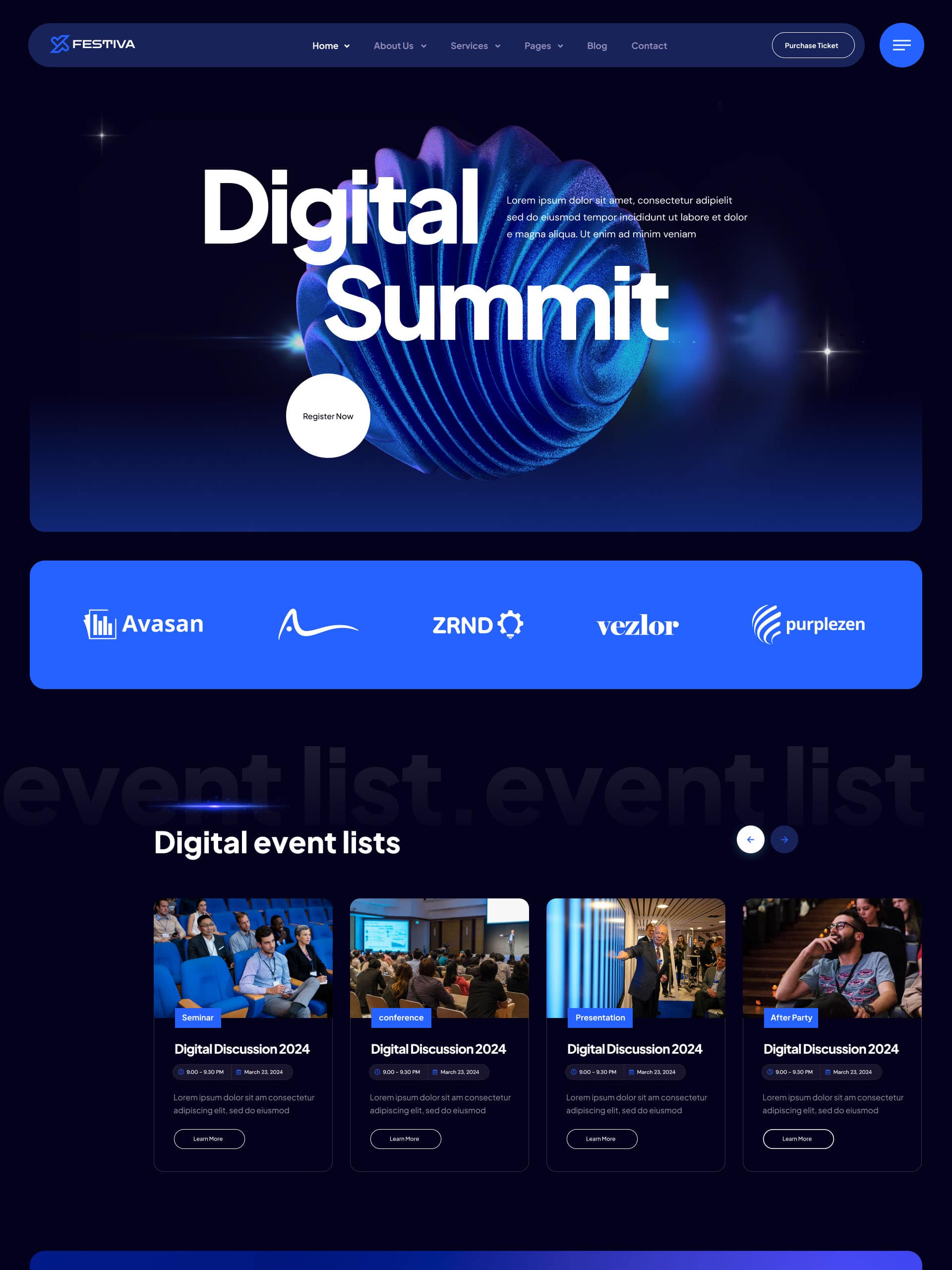
The Integration of Immersive Visuals and Animations
Immersive visuals, such as high-quality animations, 3D elements, and interactive backgrounds, significantly enhance user engagement. They transform passive viewing into active participation. For example, contemporary slot games utilize layered animations and interactive elements that respond to players’ actions, creating a more compelling experience. Such trends are supported by advances in WebGL and CSS animations, enabling developers to craft rich visuals directly in browsers.
Cultural and Thematic Motifs in Design
Cultural motifs, such as Egyptian themes, are increasingly integrated into digital content to evoke familiarity and intrigue. These motifs are not only decorative but also serve storytelling purposes, enriching the user experience. For instance, themed slot games often incorporate iconic symbols and motifs, enhancing immersion and emotional connection. This approach aligns with the trend of storytelling in design, where narrative elements deepen engagement.
Responsive and Adaptive Interfaces for Multi-Device Experiences
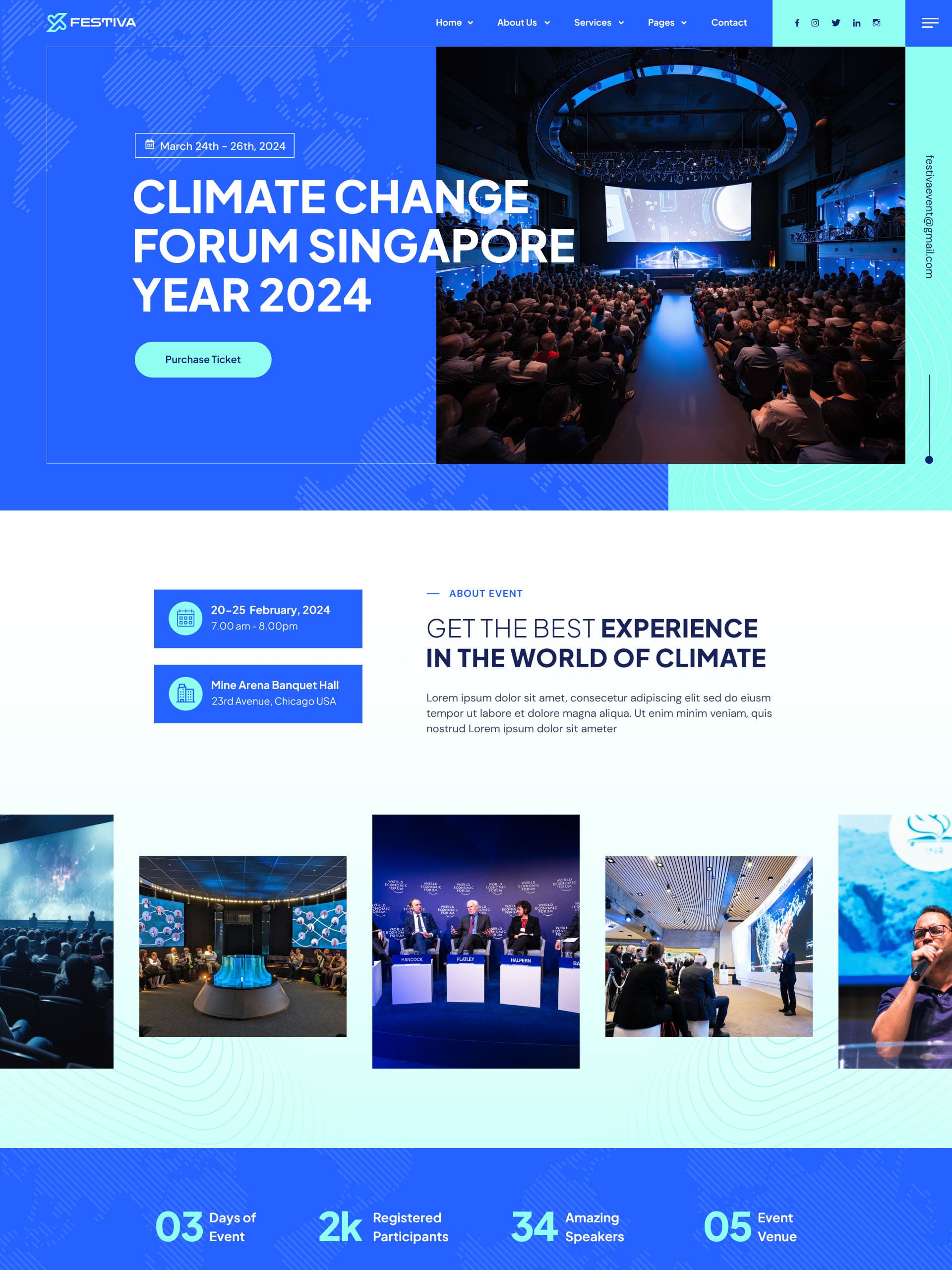
With users accessing content across smartphones, tablets, desktops, and wearables, responsive design ensures seamless experiences. Adaptive interfaces go a step further by tailoring layouts to specific devices, optimizing usability and aesthetics. This trend is crucial in gaming and entertainment, where fluid transitions between devices maintain engagement. For example, a well-designed slot game adjusts its interface dynamically, preserving visual quality and functionality.
The Impact of Technological Innovations on Design Trends
HTML5 and Mobile Gaming Revolution
The advent of HTML5 revolutionized mobile gaming by enabling complex, high-quality graphics and animations directly within browsers without plugins. This technological shift allowed developers to create more engaging, responsive, and accessible games, expanding reach and retention. For example, many modern slot platforms now rely on HTML5 to deliver instant-play experiences that are visually rich and compatible across devices.
Interactive Innovations: Sticky Respins and Beyond
Features like sticky respins exemplify how interactivity enhances engagement. In slot games, sticky respins allow players to lock in winning symbols or re-spin specific reels, increasing the thrill and potential rewards. Such innovations are made possible by advanced programming and game engine capabilities, transforming passive gameplay into active participation. These features keep players invested longer and foster loyalty.
Future Technologies: AR, VR, and AI
Emerging technologies like Augmented Reality (AR), Virtual Reality (VR), and Artificial Intelligence (AI) hold transformative potential. AR and VR can create fully immersive environments, blurring the line between gaming and reality. AI enables hyper-personalization, tailoring content and offers to individual preferences. As these technologies mature, they will redefine engagement strategies, making experiences more personalized, visceral, and memorable.
Case Study: Le Zeus — A Modern Illustration of Trend-Driven Design
Integrating Contemporary Design Elements
Le Zeus exemplifies how modern slot games incorporate current design trends to boost user engagement. Its interface features bold pink accents, dynamic animations, and immersive visuals that captivate players from the first spin. The use of vibrant colors aligns with psychological insights, evoking excitement and positivity, while animations provide real-time feedback, enhancing interactivity.
Thematic Storytelling and Emotional Response
The game’s thematic storytelling, rooted in mythological narratives, deepens engagement. According to research, storytelling fosters emotional connections, increasing user retention. The Mystery Meter in Myth-Taken Identity is key to this experience, as it heightens anticipation and curiosity, exemplifying how narrative and design converge to create compelling experiences.
Color Psychology in Action
The strategic use of pink in Le Zeus stimulates feelings of excitement and approachability. Color psychology studies indicate that pink can evoke warmth and energy, making players more receptive and engaged. This alignment of visual cues with emotional responses underscores the importance of thoughtful color choices in digital design.
“Combining storytelling, vivid visuals, and psychological insights results in a gaming experience that is both captivating and emotionally resonant.”
Non-Obvious Factors Shaping Digital Design
Psychological Effects of Color and Motion
Subtle animations and motion cues influence user behavior by guiding attention and conveying feedback. For example, smooth transitions and microinteractions can reduce cognitive load, making interfaces more intuitive. The strategic use of color and motion can also evoke subconscious emotional responses, fostering trust and excitement—key drivers of engagement.
Cultural Influences and Global Integration
Designs increasingly incorporate cultural motifs to resonate with diverse audiences. This global perspective requires sensitivity and authenticity, ensuring motifs like Egyptian symbols or Asian art styles are used respectfully and meaningfully. Such integration enriches the user experience by creating a sense of familiarity and cultural appreciation.
Microinteractions and Responsiveness
Details such as microinteractions—small animations triggered by user actions—significantly enhance usability and delight. Responsive design ensures these microinteractions function flawlessly across devices, maintaining engagement and reducing frustration. This attention to subtle UI/UX elements is crucial for modern digital platforms seeking to stand out.
Challenges and Ethical Considerations in Trend-Driven Design
Balancing Aesthetics with Accessibility
While bold visuals attract users, designers must ensure that interfaces remain accessible to all, including those with visual impairments. Techniques include sufficient color contrast, clear typography, and alternative text. Ethical design prioritizes inclusivity without compromising aesthetic appeal.
Preventing Over-Stimulation and Ensuring Well-Being
Excessive animations, flashing elements, or rapid motion can cause fatigue or discomfort. Responsible design involves moderation and user control, such as options to disable animations or adjust brightness. Prioritizing user well-being fosters trust and long-term engagement.
Responsible Marketing and Gaming
Design trends should not facilitate exploitative behaviors. Ethical considerations include transparent messaging, promoting responsible gaming, and avoiding manipulative tactics. Incorporating features like the Mystery Meter in Myth-Taken Identity exemplifies how storytelling and design can inform and entertain without encouraging risky behaviors.
Future Outlook: Designing for 2025 and Beyond
Emerging Trends and Technologies
Anticipated developments include more immersive AR and VR experiences, advanced AI-driven personalization, and the integration of biometric feedback to adapt interfaces in real time. These innovations will elevate engagement from passive consumption to active participation, fostering deeper emotional

